“Organisations need to build an internal culture where fundraising is the work, and the work is fundraising” Claire Fernandez, FIAN (Food International Action Network) Belgium
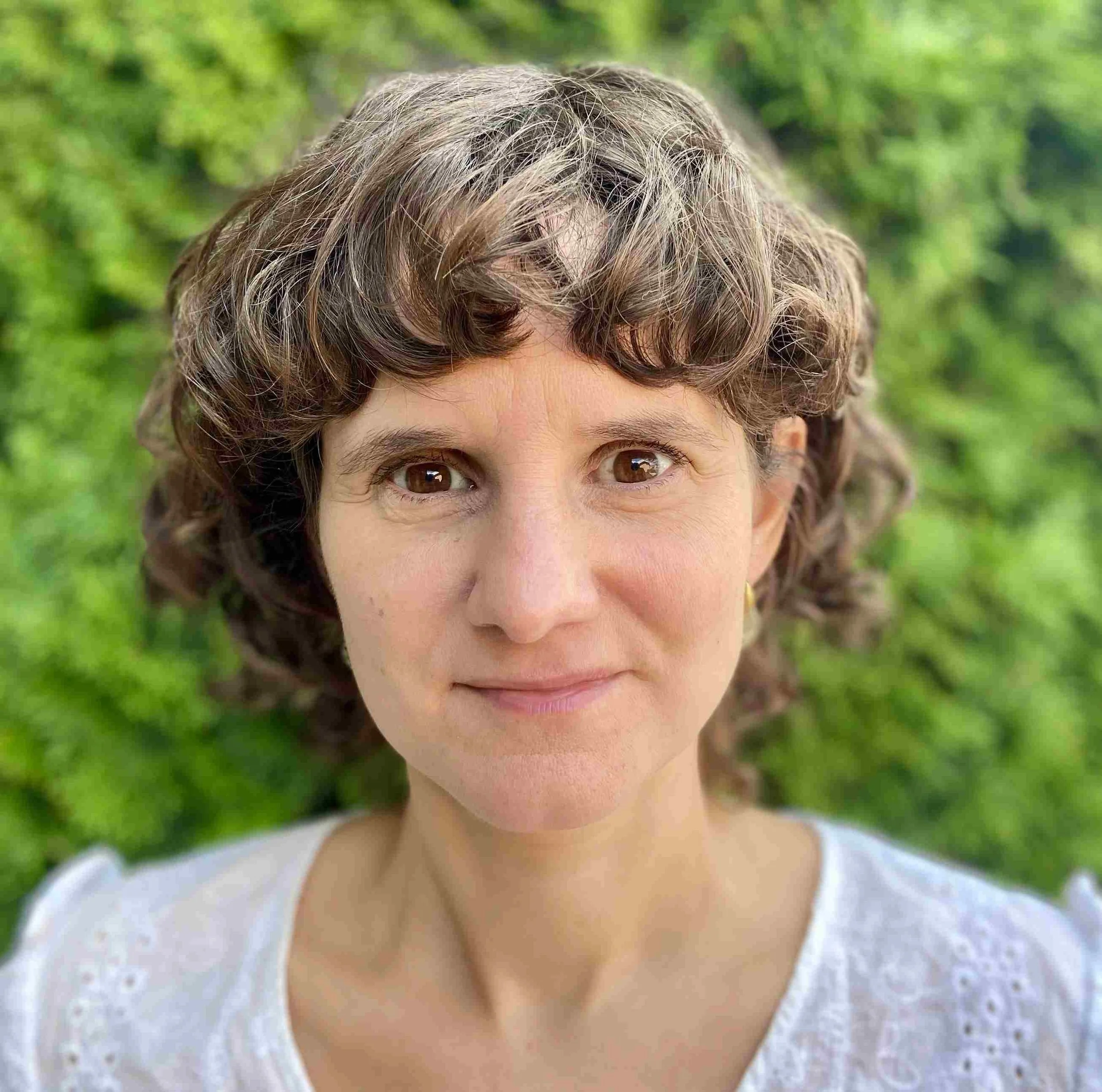
Claire Fernandez is the Team Coordinator for FIAN (FoodFirst International Action Network) Belgium, an organisation that defends the right to food for all. Alongside peasants, communities affected by food injustice and social movements, FIAN Belgium reinforces social struggles, co-builds knowledge, advocates, mobilises people and puts forward practical solutions based on human rights, social justice and decolonial principles.
Claire was a guest speaker at our first EU Fundraising Academy where she shared her experience as someone with a long track record of leadership for successful fundraising.
How has the journey been as a fundraiser? Do you think the fundraising environment for European Civil Society Organisations (CSOs) has changed in the past few years?
Fundraising has been a central part of my role for the last 15 years, and I think it's important to remember that fundraising is part of the job for leaders and other professionals. You should look at fundraising as part of the work, not something on top of it. People feel it can be a burden, but it's key to building strategy alongside advocacy and campaigning. I've enjoyed it — it gives you an overview of the field, lets you make connections between what your colleagues do, and gives you space to ask yourself why your work matters to the world.
The landscape has changed as the political context has changed. Now CSOs are under pressure from fascist and authoritarian governments worldwide. This is also affecting Western European organisations, which are now realising a pressure that has long existed for organisations in Eastern Europe and the Global South.
This is challenging organisations: in development and cooperation aid, we're seeing huge cuts from the US and the EU — and it's not just the cuts, but how the money is given and how cooperation itself is understood, which has become more transactional. Countries are investing more in the military industry, and what's left of the budget for cooperation, human rights, or climate justice is increasingly expected to serve national interests. It's become much clearer that you have to prove you're serving an economic interest. For philanthropic funding, you have to show relevance to trending topics like AI and offer immediate opportunities and solutions. It used to be better understood that CSOs and the whole civil society sector simply needed to be stronger; now funding is far more limited and project-based.
Do you think these limited funds have changed the way CSOs need to pitch themselves? How do you see the relationship between CSOs and donors?
We need to think long-term about strategy — it can't rely on fundraising alone. If you're always expecting to be funded, it creates real vulnerability to political change and cuts. Increasing your own resources and building other solidarity practices is the way forward, but in the meantime, you go where the money is. It's not about competing with each other for resources — we have similar goals, and our work can complement rather than compete. We need to think about how to fundraise around solidarity, with bigger organisations supporting smaller ones. It's also important to challenge funders to give more. CSOs have to pitch where the funders are, show why they should care about certain problems, and demonstrate how their work complements funders' existing portfolios — essentially, show the ’sexy’ topics. You can't assume things are self-explanatory or that people will automatically understand why your work is relevant.
How should leadership think about investing in fundraising capacity when budgets are already tight? What internal capacities (skills, roles, systems) do CSOs most need to build to fundraise effectively?
The concept of holistic fundraising is that fundraising is the work, and the work is fundraising — it should be embedded throughout the organisation rather than treated as a separate role that only one person does. CSOs need to look at whether leadership, or anyone in the organisation, already has an understanding of fundraising, and identify who can scope out opportunities, attend events, and do the networking. It's more about how you structure the strategy than about building a dedicated role and putting resources solely into that.
Organisations need to build an internal culture where leadership — and everybody — talks about fundraising: talking to people, being present in the movement, with colleagues spending time on it. A culture of cooperation and information-sharing, strategic thinking, good monitoring and evaluation, and strong accounting processes are all crucial. Having an in-house fundraiser is great if you can manage it, but building that appetite together, as a team, is also feasible.
Can you offer a tip for public interest advocates to stay hopeful in these challenging times?
Keep asking and keep trying. The worst you can get is a no — and you'll get a lot of them, and that's okay.
Don't put all your hope in one project application or funding source; keep talking to people and making connections.
Challenge yourself to remain relevant in the current world, to be a counterpower, and to hold the line for a more just world. Opportunities will come.