“Joining forces with other organisations amplifies your voice, increases your outreach, and strengthens your legitimacy”- Clara Beser Ramada, European Platform for Rehabilitation (EPR)
Clara Beser Ramada is a Policy Officer at the European Platform for Rehabilitation (EPR), a network of service providers working with people with disabilities. EPR is committed to strengthening high-quality services, promoting equal opportunities, and improving quality of life for persons with disabilities across Europe.
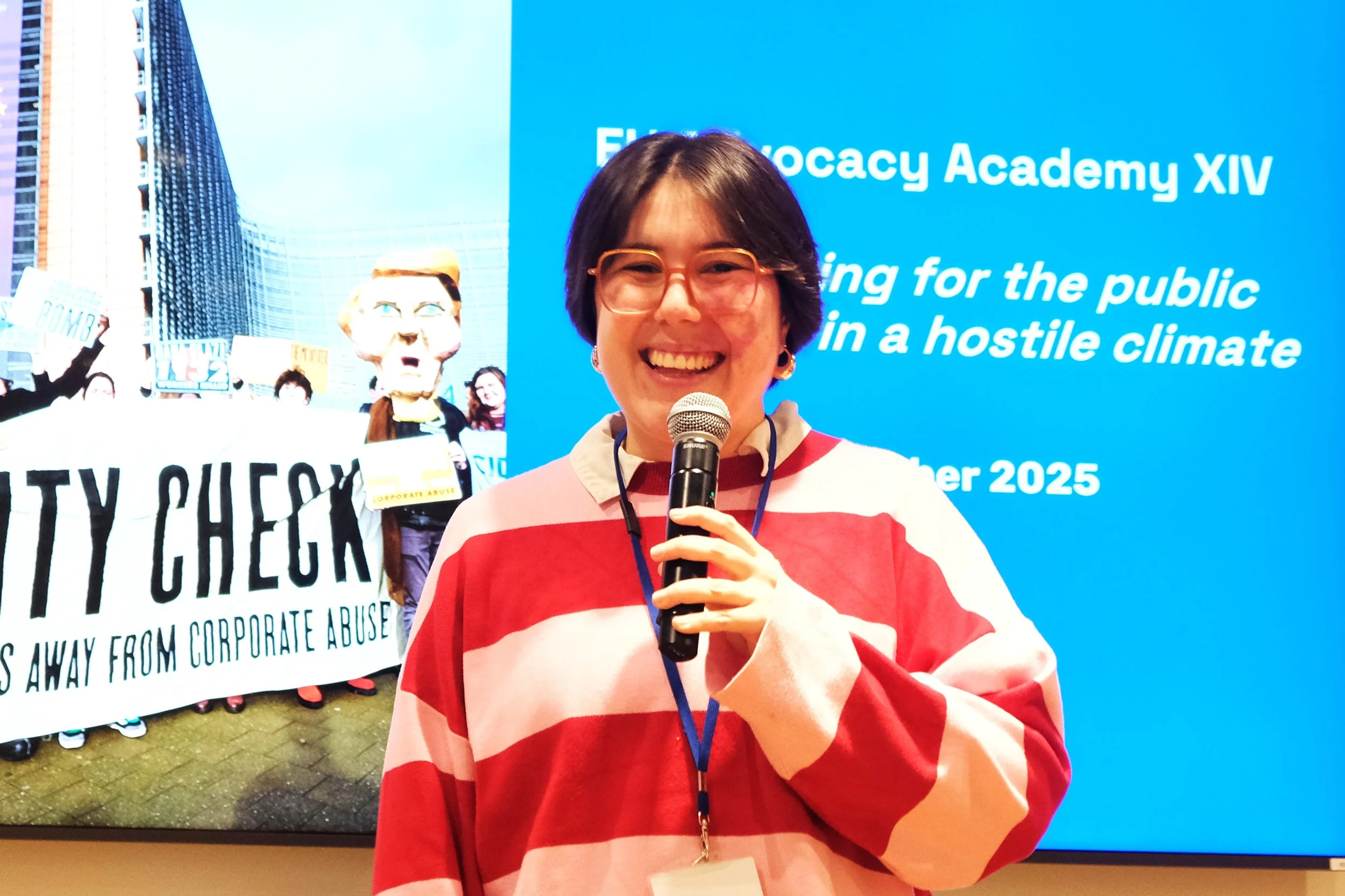
What does the change you are trying to achieve look like? Why is the EU important?
We are working towards a change that will ensure better services for persons with disabilities, providing them with equal opportunities, social inclusion and a high quality of life.
At EPR, we focus on strengthening our member organisations by fostering mutual learning, peer exchange, and training. By learning from one another, service providers can innovate, raise standards, and deliver services that truly respond to people’s needs.
A cornerstone of our work is the European Strategy for the Rights of Persons with Disabilities 2021–2030. This strategy aims to improve the lives of persons with disabilities both within the EU and beyond. It calls for coordinated action at EU, national, regional, and local levels and strong political commitment.
The European Commission has recently launched a public consultation to revise the strategy, paving the way for new proposals for the 2025–2030 period. This revision is a crucial opportunity to better address ongoing challenges related to rights, autonomy, and the full participation of persons with disabilities in society. For EPR, continuing to shape discussions around services remains a top priority.
The EU plays a vital role in helping us achieve our goals. It sets the policy frameworks and guidelines that Member States follow, while the Commission monitors progress and implementation. At the same time, the EU creates a unique space where our members can connect across borders, exchange ideas, and collaborate to drive innovation in the rehabilitation and social services sector.
While we support organisations at Member State level, our strategic focus remains anchored at the EU level, where long-term change begins.
Which challenges are you facing?
One of our ongoing challenges is to make EPR more visible to EU institutions. Although we have made significant advances, establishing ourselves as a stakeholder that institutions instinctively turn to for consultations or expert meetings is an ongoing process.
Another major challenge is the current political environment and the accusations that there is a lack of transparency of NGO funding. This trend affects many sectors, including ours, which is deeply rooted in human rights. We firmly believe that it is essential to continue our work to foster high-quality services for persons with disabilities, and promote their rights.
One tip you want to share with other public interest advocates?
One of the most valuable lessons I have learned during this training is the importance of being in the right place at the right time. When your message reaches the right people at the right moment, it has the best chance of influencing policies and strategies.
Equally important is working in coalitions. Joining forces with other organisations amplifies your voice, increases your outreach, and strengthens your legitimacy. A group of organisations representing a community or an entire sector carries more weight and more power.