“Communicate the different benefits of your work and identify what truly resonates with your audience.” -Mélanie Bourgeois, Energy Cities
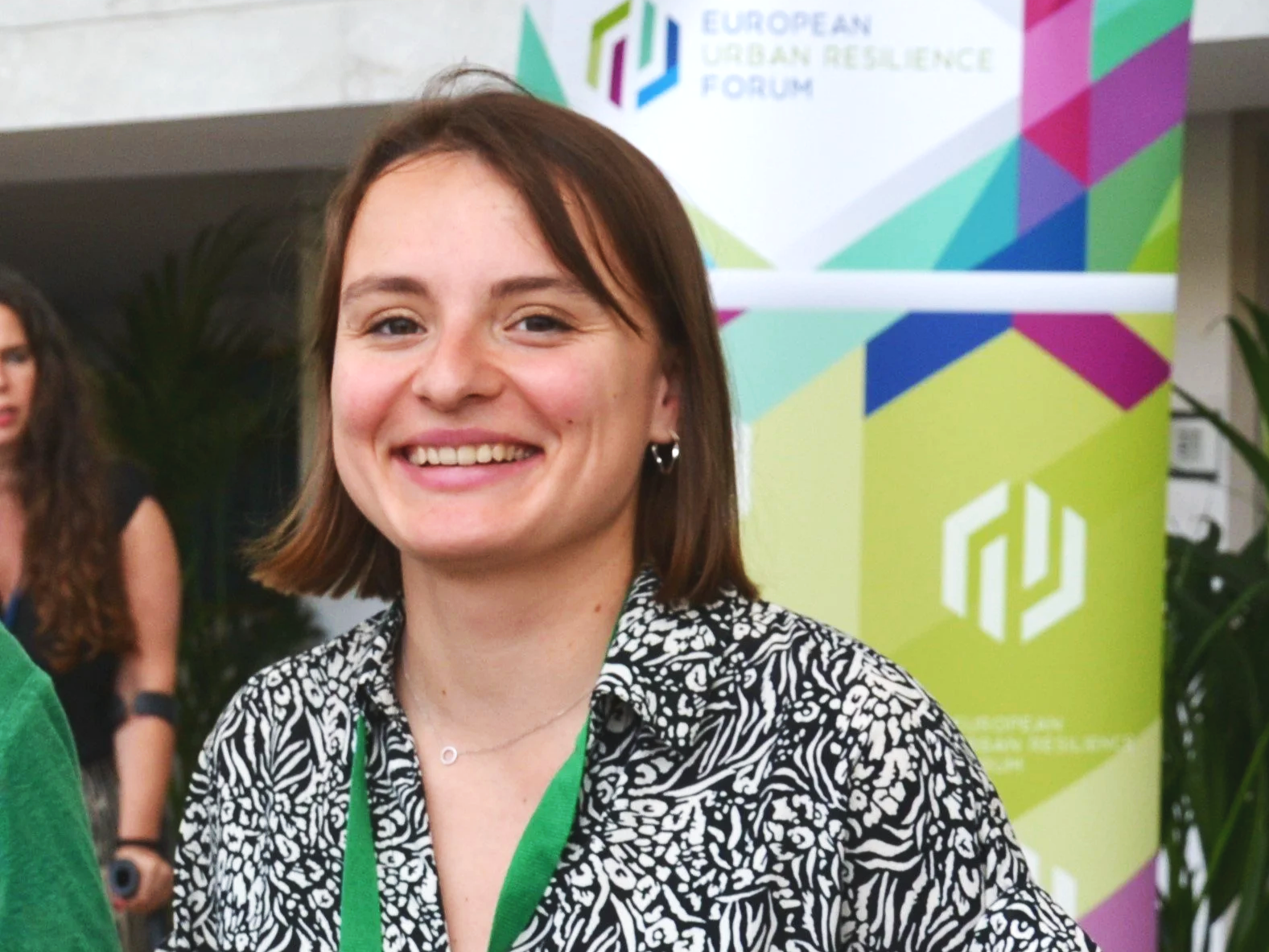
Mélanie Bourgeois is EU Policy & Advocacy officer at Energy Cities, a community of local leaders representing thousands of cities across 30 European countries. The organisation aims to build decarbonised and resilient cities with access to affordable, secure, and sustainable energy.
What does the change you are trying to achieve look like? Why is the EU important?
We want cities to be able to accelerate their transformation towards becoming resilient and fossil-free, and to this end, we want the European framework to take better account of the realities and needs of local authorities. Indeed, cities provide essential public services, shape the urban environment, and organise the energy transition and housing policies at local level. They are closely connected to the EU on these topics, so we want EU authorities to consider local realities when drafting EU legislation and programmes. Legislation that reflects local needs is more effective and easier to implement.
A specific example is fossil free heating. Middle-size cities are now required to develop local heating and cooling plans, a new feature introduced in the latest revision of the Energy Efficiency Directive. We strongly advocated for this and are very pleased that it was included with some support measures. However, we now want to ensure that it is correctly transposed at national level and that cities receive the technical and financial support needed to develop high-quality local heating and cooling plans. This includes defining new renewable energy sources to decarbonise the heating sector and identifying ways to make these services more affordable for citizens and companies. This is a good example of an EU measure that can trigger positive change at the local level.
We see growing willingness from the private sector, especially industries, and also from NGOs to cooperate with cities. Many actors recognise that local implementation is key to complying with environmental and climate legislation.
Which challenges are you facing?
On the cities’ side, one key challenge local authorities face is being seen only as implementers at the end of the policy chain. Thus, policies are often disconnected from local realities. We want to change this narrative, and show they should be consulted upstream in the process to share their data, planning, and needs.
Within the EU policy ‘bubble’, cities networks like Energy Cities are perceived as ‘just’ environmental NGOs. We want to make the distinction clearer and show we are the voice of elected local governments.
One tip you want to share with other public interest advocates?
Team up, as we are facing the challenge of limited resources. By joining forces, we can overcome this and see what each actor can contribute. We have done it with other cities networks, NGOs and industries, with different configurations for each subject, and it is very effective. For this, keep in mind that industry is not a single, uniform group. There are progressive companies that share common interests with you, so it is important to identify who your potential allies are.
And finally, try to communicate the different benefits of your work and identify what really resonates with your audience in order to connect with a wide range of actors and policymakers. We work with cities and towns with different political colours and priorities, and try to take this into account. Indeed, some see the economic benefits of renewable energy or the savings of energy efficiency, others focus on health benefits, strategic autonomy… but ultimately, they will all (hopefully) be climate neutral!