“Latvia is Europe; the Baltics are Europe… Find connections and ensure that the EU we are building is a collaborative project.” – Madara Merle, Latvian Fund for Nature (LDF)
Madara Merle is the Advocacy Coordinator at the Latvian Fund for Nature (LDF), a non-governmental organisation dedicated to preserving biodiversity and Latvian nature. The organisation focuses on practical nature conservation, involving society in shaping environmental policy, as well as advocating for the interests of nature.
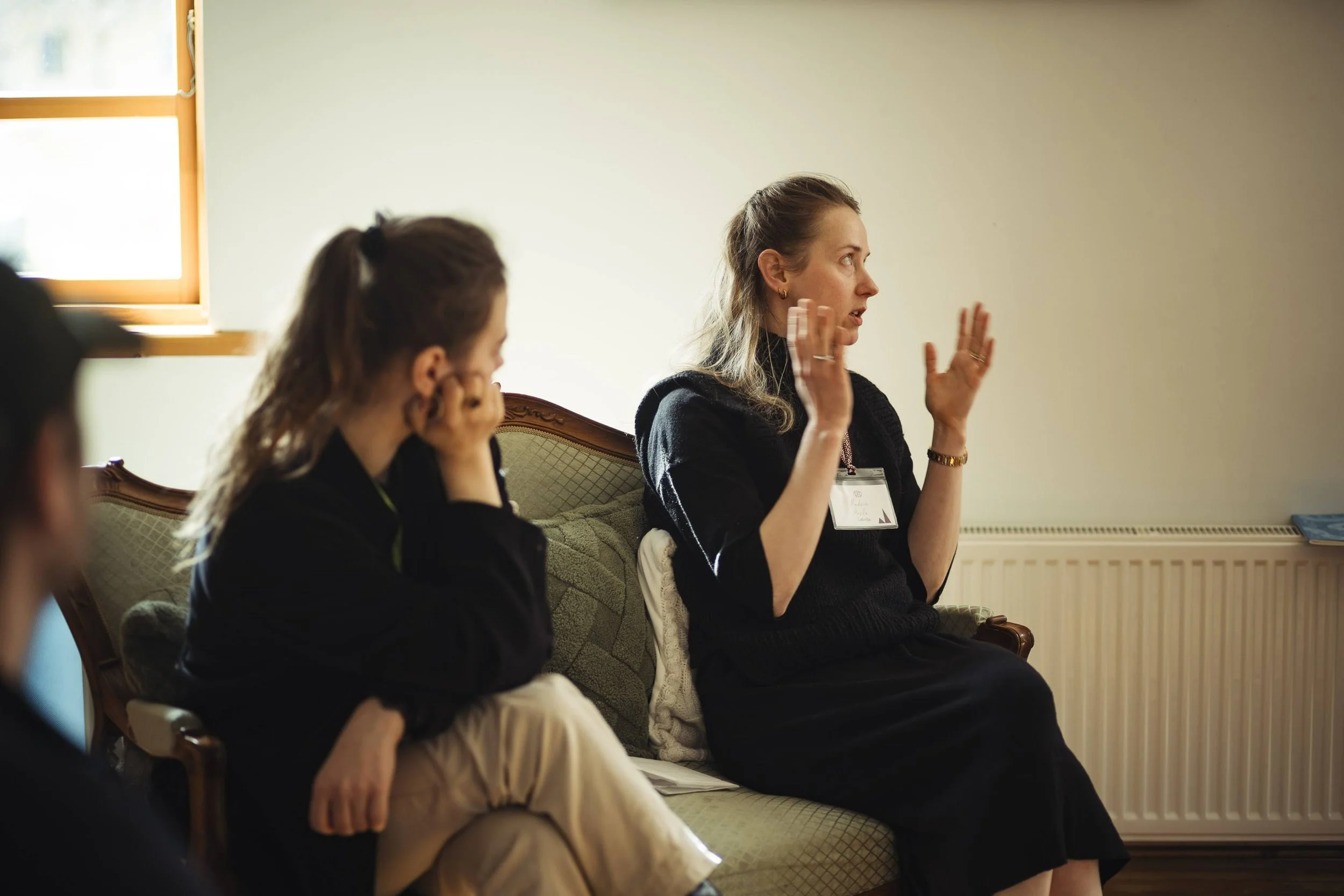
Photo by Reinis Auzins
What does the change you are trying to achieve look like? How does the specific context look in your country?
Our mission is to preserve and restore nature in Latvia, with responsibility towards people and the planet. We carry out practical restoration projects based on science and cooperation. We also follow legislation on different topics and involve other civic society members and experts to protect nature.
Surveys consistently show majority public support for nature protection — Latvians feel a deep connection to forests and the land. Yet that sentiment struggles to translate into political will, with policymakers claiming environmental advocates are out of touch with people's real concerns.
There is still a lingering sense of hunger from Soviet times, when public opposition was punished, means were scarce and fought over and people were forced to turn inwards and keep up their guard. This regime that drives on scarcity and fear (and is currently bombarding Ukraine) still affects current and future generations.
Why is the EU important for your work?
For small countries, the ability to cooperate closely beyond borders is a significant advantage. We cooperate internationally and at the EU level. This helps us to achieve results and stay better informed.
The EU has the most constructive global cooperation on climate action, the largest area of protected natural land, and solid plans and achievements. Member states can be proud of this. However, it can be challenging for smaller member states to implement all plans due to financing, internal disputes and external influences. The EU structure provides support, guidance and sometimes a needed push. It also helps us to advance plans nationally.
LDF is involved in European-level activities through the European Environmental Bureau and cooperates with permanent representatives, the Commission and other decision makers. But, the political landscape is changing. Latvia's government recently collapsed. We now have to understand how this will affect our work.
We have been monitoring the Omnibus legislation and deregulation, and we have observed that representatives at national, but also at the EU, level are not interested in the long-term implications of linking nature protection with economic and security issues. The system is complicated, and this is not a straightforward task, but the evidence is more than clear – not acting now will have grave consequences.
Which challenges are you facing?
The gap between EU legislation and national implementation is a recurring challenge. Latvia's transposition of the EU Renewable Energy Directive is a case in point. We are a rich forest nation with legitimate interests in using that resource, but where industry lobbying shaped the specifics. Long consultations, loopholes, and delays mean that by the time the process concludes, harm is already underway.
Now, we have to look at the outcome of the elections in Latvia in October. What is concerning is the shift towards right-wing politics, characterised by misinformation, personal attacks and baseless claims, even from high-level government staff. There have been attacks on CSOs, who have been labelled "green communists". Words are being twisted and used in a very negative context, which is difficult. There are mistruths everywhere that undermine the aims of civil society organisations and create a distorted image of what we do.
There is a lot of misunderstanding about the purpose of environmental regulations. Some people see it only as an administrative burden. It can be difficult to explain to society and even decision makers what biodiversity truly is and how it relates to the economy, security and resilience.
What tips do you want to share with other public interest advocates?
It is beneficial to collaborate with other organisations. We should recognise first that we are not alone. We are doing a valuable job for the benefit of society.
We should consolidate networks as partnerships and work even closer with other Baltics organisations.
Explain things as if you were talking to a five year old - even to colleagues! We work on different themes and with complex legislative structures, so it's important to get everyone on board. One way to achieve this is to improve information sharing. People need simple explanations and to be able to delve into things.
Take care of yourself. No one benefits if we are overworked. This enables us to empathise with others and bring care and nuance where it is absent, allowing us to do our job. Caring for the environment and other people requires resilience and kindness towards ourselves.
Bridge the gaps and get closer. If you have the time, it is healthy to talk to people who oppose your views and try to understand where it comes from. When people are hurting and experience scarcity, they obviously react defensively.
Latvia is Europe; the Baltics are Europe. We sit at the decision-making table and have the opportunity to see ourselves as part of this. Find connections and ensure that the EU we are building is a collaborative project.