“When apathy sets in, women are left alone with their problems. We want to keep the issue under watchful eyes.” Elise Rohtmets, Feministeerium
Elise Rohtmets is an Advocacy Expert at Feministeerium - a non-profit feminist web magazine and organisation in Estonia working to advance women’s rights through advocacy, communication and community engagement.
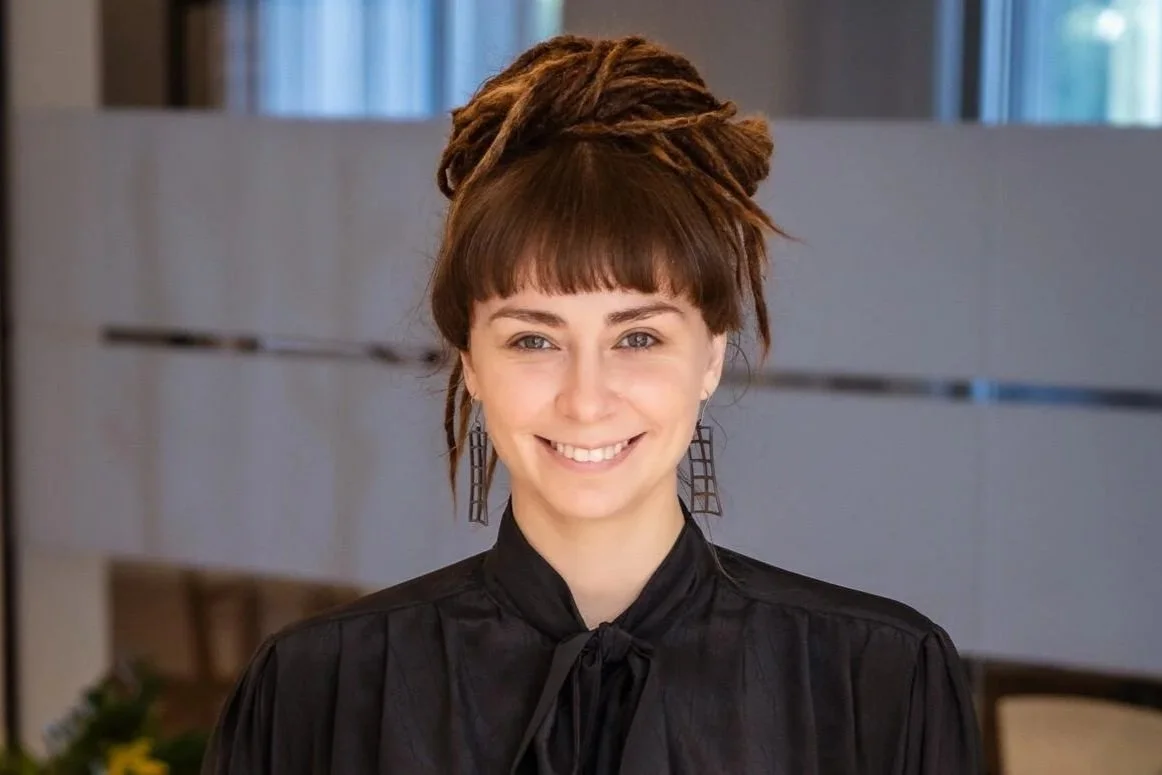
Photo by Raimo Roht
What does the change you are trying to achieve look like? How does the specific context look in your country? Why is the EU important for your work?
We are trying to achieve holistic reform on violence against women, so that the Estonian state has a well thought-through, systematic approach to reducing it.
We've been working in this field for eleven years - actively lobbying for legislation on women's rights.
Unfortunately, or fortunately, these changes are closely tied to processes at the EU level. We wouldn't be where we are today if we weren't part of the EU. Understanding how to communicate with EU policymakers, to show them why their involvement matters, is crucial, especially when it comes to budgeting and opening up projects.
Several important directives have come up recently. We've also been following the initiative for safe and accessible abortion for women in Europe. The Parliament wrote a joint proposal, and we're now waiting for the Commission to take it forward.
The EU Anti-Trafficking Directive is another example, we're glad it's being implemented in Estonia, and that there will also be an open call for feedback from Member States to strengthen children's rights under the EU Strategy on the Rights of the Child.
More broadly, the protection of women's and children's rights often falls under the same feminist banner. As an organisation, we need to keep reminding people and politicians especially to not forget about these issues. If there wasn't pressure from the EU, I don't know where we'd be. It's essential that political groups at the EU level keep pushing on women’s issues.
Which challenges are you facing?
The main challenge (always) relates to funding. When it comes to reducing violence against women, our funding comes from the EU. Local funding is precarious and influenced by political ties, so the opportunities the EU provides are extremely important to us.
We see that open calls are delayed. When the world's attention turns towards the defence industry, issues surrounding women's rights are sidelined. This creates more insecurity and fear about the future. Clearly, when this focus shifts away, violence and harmful practices start to resurface.
The government focuses on an issue when there's a lot of attention on it, but becomes apathetic when there isn't. When apathy sets in, women are left alone with their problems. We want to keep the issue under watchful eyes.
What tips do you want to share with other public interest advocates?
Look for trainings, such as those from EUChanger, or other spaces. The EU can feel far away from us, and we sometimes think we can't influence it. But if we understand systematically how our government is involved in EU legislative processes, that understanding can be empowering.
Work with other organisations and stakeholders so you can have a greater impact. We have a joint project “Baltic Harmony: Building a Gender-Sensitive Violence-Free Educational Environment” with the Baltic countries, through which we're working to popularise the concept of "sexual consent."